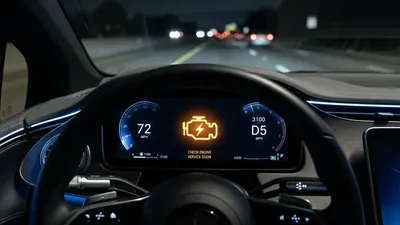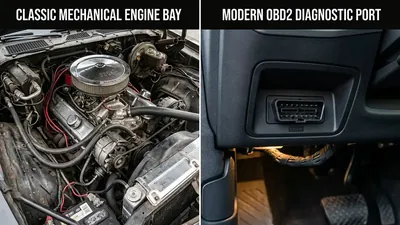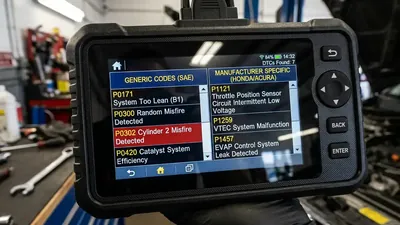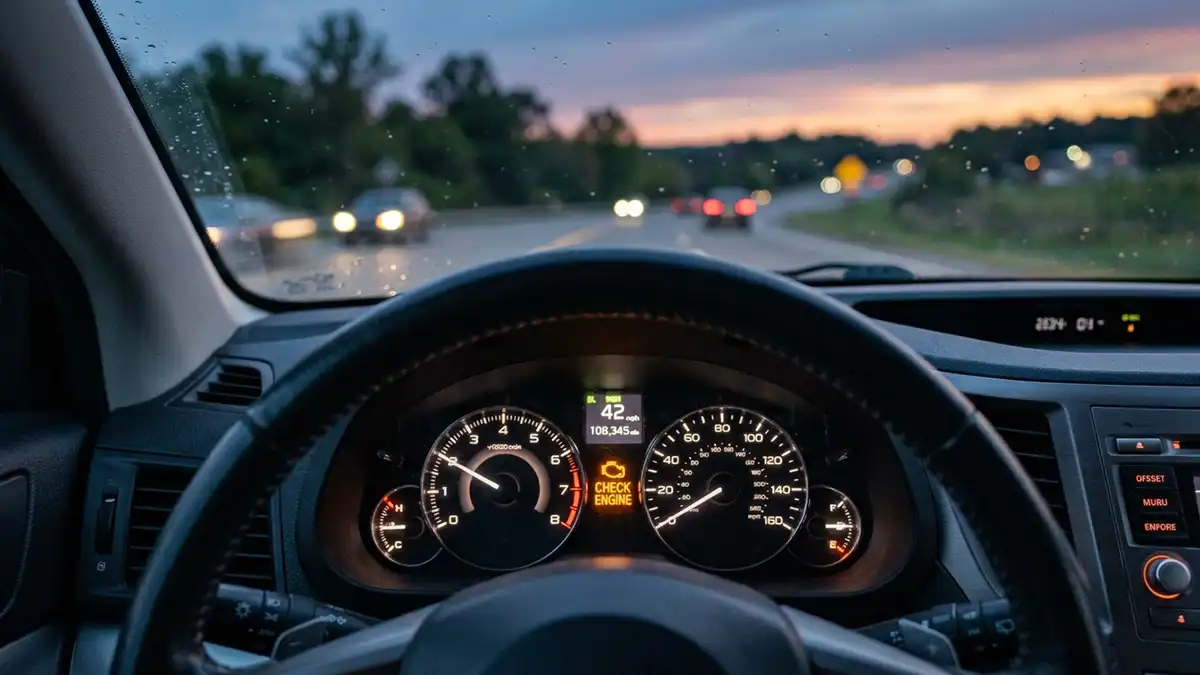
You cleared the codes, the check engine light went off, and now — a day, a week, or a month later — it’s back. This is one of the most common situations a home mechanic runs into, and the honest explanation is usually simple: clearing a code doesn’t fix the car. It only erases the car’s memory of the fault.
That’s not meant as a lecture. Sometimes the light returns for reasons that make sense even after a real repair. This guide walks through the most common reasons the check engine light comes back after clearing, how to tell which one you’re dealing with, and what to do next.
Reason 1: The fault is still there
The most common reason by far: the problem never got fixed. Clearing codes turns off the light, but if the fault is still active, the computer re-detects it the next time the system runs its test — often within the same drive.
Codes that come back quickly:
- P0171 (system too lean) — a vacuum leak or fuel delivery problem is usually continuous, so the light returns fast.
- P0300 (random misfire) — if the cause is a bad coil or worn spark plugs, the engine will misfire again.
- P0420 (catalyst efficiency) — a converter that’s truly worn out won’t get better on its own.
If the exact same code returns within a day or two of clearing, treat it as confirmation that the underlying fault is still present. Clearing again won’t help.
Reason 2: The problem is intermittent
Some faults come and go. The light goes off after clearing, stays off for a while, and returns when conditions line up again — a full fuel tank, a hot day, a bumpy stretch of road, a cold morning.
Classic intermittent causes:
- A loose or worn gas cap — often shows up as P0442, P0455, or P0456 (small, large, or very small EVAP leaks). The light may stay off for days and then return after a fill-up if the cap wasn’t seated.
- A corroded or loose connector — an oxygen sensor or wiring connector that only breaks contact when things shift or vibrate.
- A chafed wire — insulation rubbed through, shorting only under certain conditions.
- Intermittent misfires — a coil that fails when hot and works when cold.
An intermittent code is still a real code. The freeze frame data — the snapshot your car saves when a code sets — can help you see what the engine was doing at that moment.
Reason 3: You cleared the codes without reading them first
If you hit “erase” before writing down the codes, you deleted the single best clue the car gives you. Now the light is back and you’re starting from zero. It’s not too late: read the codes now, write them down, and look them up before clearing anything again.
Reason 4: The repair didn’t address the root cause
You replaced a part, cleared the code, and it came back. Sometimes the part you replaced was a symptom, not the cause. Common examples:
- Replacing an oxygen sensor when the real problem is an exhaust leak or a lean condition — the new sensor fails the same way the old one did.
- Replacing a catalytic converter for P0420 when the real problem is an upstream issue like a misfire (P0300) that’s damaging the converter.
- Replacing a thermostat for P0128 and having the code return because the coolant level or a sensor is the actual problem.
A good rule: if the same code returns after a repair, ask whether the part you replaced could have been damaged by an underlying cause. Check the freeze frame data and review the code’s common causes before spending money on the next part.
Reason 5: A second problem just surfaced
Sometimes the repair works — and the light returns with a different code. This isn’t the repair failing; the car’s computer is now free to report a problem that was masked or simply noticed later. Example: you fix a lean condition (P0171) and the light later returns with P0420 because the catalyst was damaged by years of running lean.
Treat a new code as new information: read it, look it up, and diagnose it on its own merits.
Reason 6: The computer is relearning after a battery reset
If you reset the light by disconnecting the battery, the computer lost its learned fuel trims and idle settings. For the first few drives it runs on factory defaults, and some cars run rough or slightly rich or lean during that relearning period. In some cases that can trigger a lean or misfire code that wouldn’t appear once the computer has relearned. If the code appeared right after a battery disconnect, give the car several normal drives before deciding the code is real — but if it persists, treat it like any other code.
Reason 7: Permanent codes are still in the background
On newer cars, a confirmed code also stores a “permanent” copy that a scanner cannot erase. If the fault is real, the permanent code stays, and the light will return until the system actually passes its tests for a series of drive cycles. Clearing a permanent code isn’t possible — only a real fix and clean drive cycles will clear it. That’s the same system behind pending, stored, and permanent codes, and it’s why “clear it and hope” doesn’t work on newer vehicles.
A quick reference
| Why the light came back | What it usually means | Your next move |
|---|---|---|
| Same code, within a day or two | Fault still active | Diagnose and repair — don’t clear again |
| Same code, days or weeks later | Intermittent fault | Check cap, connectors, wiring; use freeze frame |
| Different code | A second problem | Read and diagnose the new code |
| Right after a battery disconnect | Computer relearning | Drive normally a few days, then recheck |
| Same code after a “repair” | Root cause not fixed | Verify the repair; check for an underlying cause |
What to do now
Here’s the practical path when the light comes back:
- Read the codes and write them down. Every digit, exactly as shown.
- Compare with what you cleared. Same code or different? That single fact points you down the right path.
- Look up the code in a plain-English reference and review the common causes before buying parts.
- Check the cheap stuff first — gas cap, obvious vacuum leaks, loose connectors. Many return trips start with a P0442 that a tightened cap would have solved.
- Decide DIY vs. shop. If you’ve already replaced a part and the same code is back, that’s usually the point to get a professional diagnosis rather than buying more parts.
- Don’t clear it again until there’s a reason to — each clear erases freeze frame data and monitor progress that a technician may need.
The bottom line
A check engine light that returns after clearing is the car telling you something is still wrong — or that something new is wrong. The most common cause is simply that the fault was never fixed. But intermittent faults, repairs that missed the root cause, relearning after a battery reset, and newly surfaced secondary problems all explain a return visit. The fix is always the same: read the code, look it up, address the cause, and only then clear it.
Frequently asked questions
How long should the check engine light stay off after I clear it? If the problem is genuinely fixed, the light should stay off for good once the computer’s monitors run and pass — usually within a few drive cycles. If it comes back within a day or two, the fault is still active; if it returns weeks later, you’re likely dealing with an intermittent problem.
Is it normal for the light to come back after clearing? Yes. Clearing a code only erases the stored fault. If the underlying problem is still present, the computer will detect it again and relight the light. A returning light isn’t a scanner malfunction — it’s the car reporting that the fault is real.
Should I just clear the codes again? Not without a plan. Repeated clearing without a repair erases diagnostic clues like freeze frame data and readiness monitor progress. Read the code, look it up, and fix the cause first — then clear once, and the light should stay off.