Few check engine light repairs hit your wallet as hard as a catalytic converter. Depending on your vehicle, a replacement can run anywhere from about $900 to $2,500 or more, installed. But here’s what most drivers don’t realize until they’re deep in the quote process: what looks like a dead converter is often a much cheaper problem — a bad oxygen sensor, an exhaust leak, or an engine issue that damaged the converter in the first place. This guide covers what the converter does, what a replacement really costs, why the price swings so much, and how to avoid paying for one you don’t need.
What the catalytic converter does
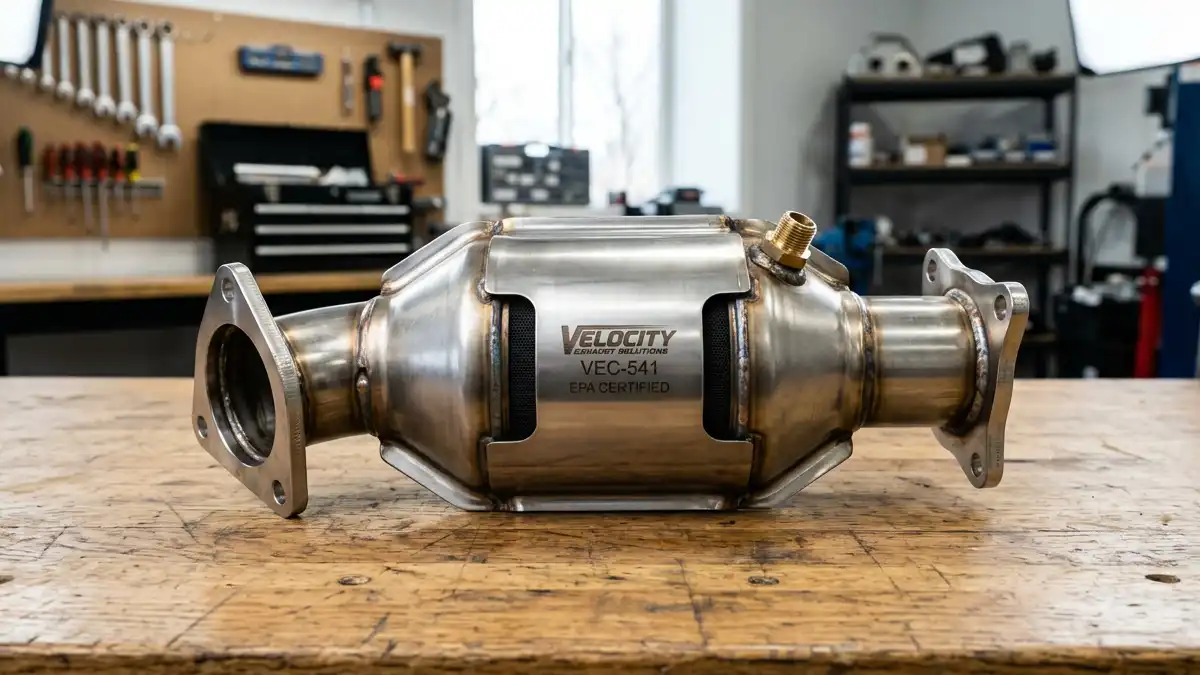
The catalytic converter sits in the exhaust system between the engine and the muffler. Inside its metal shell is a honeycomb coated with precious metals — platinum, palladium, and rhodium — that act as catalysts. As exhaust gases pass through, those metals trigger chemical reactions that turn three harmful pollutants (hydrocarbons, carbon monoxide, and nitrogen oxides) into carbon dioxide, water vapor, and nitrogen. That’s why a converter is required on every modern car: without it, your car can’t pass an emissions test.
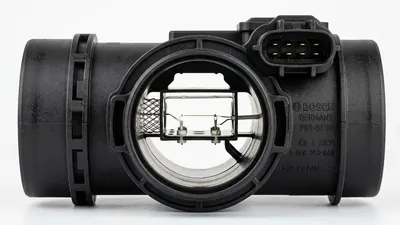
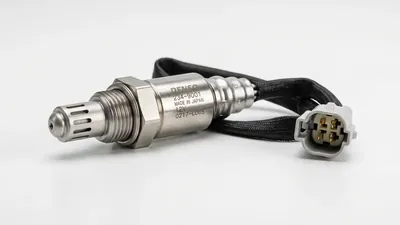
The car’s computer watches the converter through the oxygen sensors. When it sees the converter cleaning the exhaust less effectively than expected, it sets a code like P0420 (bank 1) or P0430 (bank 2) and turns on the check engine light.
Signs your converter is failing
The symptoms of a failing converter vary, and sometimes there are none until the light comes on. Common signs include:
- The check engine light with a P0420 or P0430 code.
- A rattling noise from under the car, especially at startup — the ceramic honeycomb inside may have broken apart.
- A rotten egg or sulfur smell from the exhaust.
- Noticeable loss of power, or a car that struggles to accelerate.
- Worse fuel economy than usual.
- A failed emissions test.
If you have several of these together, the converter is a strong suspect. If you only have a code and nothing else, keep reading — it may not be the converter at all.
What a catalytic converter replacement costs
For most everyday cars and SUVs, a full converter replacement costs roughly $900 to $2,500 with parts and labor. Here’s where that number comes from:
- Aftermarket direct-fit converter (part): about $200 to $800. These are made to bolt on without modifications and are legal for most vehicles when they meet emissions standards.
- OEM (factory) converter (part): about $800 to $2,500 or more. Genuine factory parts cost more, and some automakers use multiple converters.
- Universal converter: cheaper, often $100 to $300, but it must be cut and welded in by a shop, and fitment and emissions compliance need care.
- Labor: usually 1 to 3 hours, or roughly $100 to $300, depending on the shop’s rate and how hard the converter is to reach.
Two things push the total much higher: vehicles with two or four converters (common on V6 and V8 trucks and SUVs) and luxury, performance, or rare models with expensive factory parts. On those, total replacement can easily exceed $3,000. The good news: on most mainstream cars, a quality aftermarket converter is perfectly fine and much cheaper than the factory part.
Why the price varies so much
Converter prices swing more than almost any other exhaust repair because of several factors:
- Precious metal prices. The platinum, palladium, and rhodium inside converters are valuable commodities. When their prices rise, so do converter prices.
- Make and model. A converter for a small sedan might cost a few hundred dollars; one for a V8 truck with two converters will cost much more.
- OEM vs. aftermarket. Factory parts carry a big premium.
- Direct-fit vs. universal. Direct-fit bolts in; universal needs welding and may not fit as cleanly.
- Number of converters. Some vehicles have two, some have four.
- Labor and access. Converters buried under heat shields and crossmembers take longer to reach.
- Region. Labor rates vary by city and state, and the same part can cost different amounts at different shops.
That’s why you should get at least two written quotes and make sure each one lists the same type of part (OEM, aftermarket direct-fit, or universal) before comparing.
Check these before you pay for a converter
Here’s the part that saves drivers real money: a converter rarely dies on its own. It usually fails because something else went wrong first, and if you replace the converter without fixing the cause, the new one will fail too.
- Misfires. A P0300 misfire sends unburned fuel into the converter, where it burns and overheats the honeycomb. Fix misfires before anything else.
- Fuel mixture problems. An engine running rich (too much fuel) or lean (like a P0171 condition) stresses the converter. A vacuum leak or bad sensor can cause this.
- Oxygen sensor faults. A failing sensor — for example, codes like P0135 or P0141 — can make the computer misread the converter’s performance and set a P0420 even when the converter is fine.
- Exhaust leaks. A leak before the downstream oxygen sensor lets fresh air in and fools the computer into thinking the converter is failing.
- Oil or coolant burning. Worn rings, valve seals, or a leaking head gasket send oil or coolant into the exhaust, coating and killing the converter.
An honest shop will verify the converter is actually bad — usually by checking oxygen sensor readings live and inspecting the exhaust — before quoting you a four-figure repair. If a shop quotes a converter based on the code alone, get a second opinion.
Can you drive with a failing converter?
Short term, yes — it’s not a pull-over-now emergency like a flashing misfire light. But it’s not something to sit on for months. A clogged converter can cause power loss, poor economy, and overheating that damages other parts, and a failed converter means failed emissions. Drive gently, keep trips short, and get it diagnosed soon. If the converter is clogged enough to cause rough running, avoid long drives altogether.
How to keep your converter alive
A converter isn’t a wear item you replace on a schedule — most last the life of the car if the engine stays healthy. Protect yours with basic habits:
- Fix misfires and check engine lights promptly, especially flashing ones.
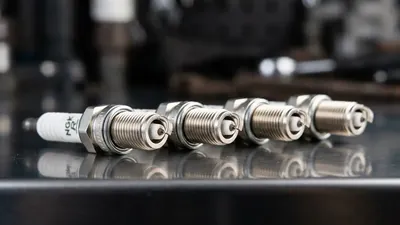
- Keep up with tune-ups: spark plugs, filters, and scheduled maintenance.
- Don’t drive with coolant or oil burning — fix the leak, not the symptom.
- Fix exhaust leaks early instead of letting them grow.
- Skip cheap fuel additives and any fuel not meant for your car — nothing “cleans” a converter that’s already failed.
Frequently asked questions
Is a catalytic converter covered by warranty?
Often, yes. Under federal law, converters on 1995 and newer cars are covered by an emissions warranty of 8 years or 80,000 miles, whichever comes first, and some states require even longer coverage. If your car is within that window and the converter failed, the manufacturer may replace it for free — check with your dealer before paying out of pocket.
Should I buy OEM or aftermarket?
For most people, a quality aftermarket direct-fit converter is the smarter buy — it’s typically a fraction of the OEM price and works fine for the life of the car. Just make sure the part is emissions-compliant for your state (California and some others require CARB-certified parts), and avoid the cheapest universal units from unfamiliar brands.
Will insurance pay for a stolen converter?
If your converter is stolen, comprehensive coverage on your auto policy generally covers replacement, minus your deductible. File a police report first, then contact your insurer. Because converter theft is so common, some insurers are raising rates or limiting coverage in hard-hit areas — another reason to consider a converter lock or etching if you park outside.