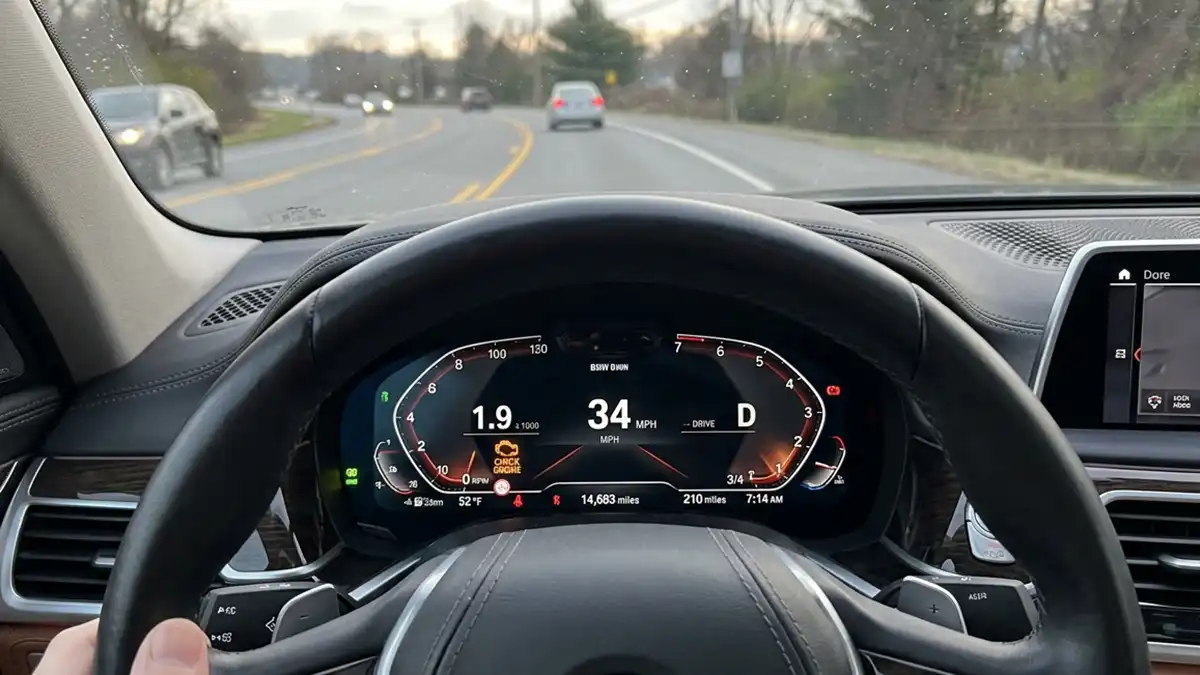
There are three ways to turn off a check engine light: with a scanner, by disconnecting the battery, or by waiting for the car to decide the problem is gone. The first two are instant, and this guide walks you through both step by step. But before you clear anything, there’s one important thing to know: resetting the light is not the same as fixing the car. If the problem is still there, the light will come back — often within a day or two.
Before you reset: read the codes first
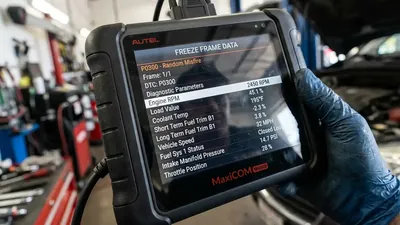
The single biggest mistake people make is clearing the light without ever reading the codes. That stored code is the car’s own description of what’s wrong, and it’s the most valuable diagnostic clue you’ll ever get for free. Once you clear it, that clue is gone (though some newer cars keep a “permanent” copy in the background).
So before you reset anything, plug in your scanner and write down every code exactly as shown — the letter (usually P) and all four digits. Then look up what they mean:
- P0420 — catalytic converter efficiency below threshold
- P0171 — engine running lean (too much air, not enough fuel)
- P0300 — random engine misfire detected
Even if you plan to take the car to a shop, leaving the codes stored saves the technician time and money. Many shops charge a diagnostic fee partly because they have to start from scratch when codes have been wiped.
What a reset actually does
When you clear codes, the car’s computer (the ECU) erases the stored fault codes and the freeze frame data (a snapshot of engine conditions at the moment the fault happened). The check engine light goes off immediately. The ECU also resets its “readiness monitors” — the self-tests the car runs to confirm its emissions systems are working — so they start from zero and need to pass again.
What clearing does not do is fix whatever triggered the code. If the fault is still present, the light can come back on the very next drive. If the fault is intermittent, it might stay off for days or weeks before reappearing.
Method 1: Reset with a scanner (the right way)
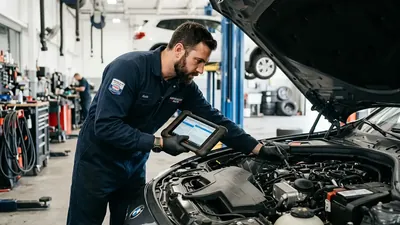
Using a scanner is the cleanest method because it only clears the codes — it doesn’t touch anything else in the car. Here’s how:
- Find the OBD2 port under the driver’s dashboard and plug in your scanner.
- Turn the ignition to the ON position (engine off). This powers the port and wakes up the ECU.
- Select “Read Codes” first and write down what’s stored, as described above.
- Select “Erase Codes” or “Clear Codes” from the menu. The scanner may ask you to confirm.
- Wait for the confirmation — the scanner will usually say something like “Codes cleared” or “Done.”
- Unplug the scanner and start the car. The light should be off.
That’s the whole process — it takes about two minutes. Most basic code readers and phone-connected Bluetooth adapters can clear codes; it’s a standard function, not a premium feature. If your scanner can read codes, it can almost always clear them too.
Method 2: Reset by disconnecting the battery (no scanner)
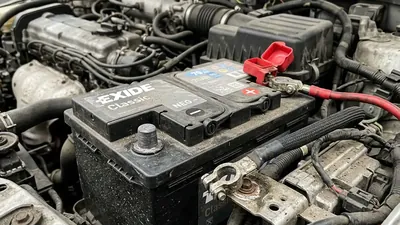
If you don’t have a scanner, disconnecting the battery is the classic workaround. It works because it cuts power to the ECU, which loses its memory of the fault codes. The steps:
- Make sure the car is off and the keys are out of the ignition.
- Locate the battery and use a wrench to loosen the nut on the negative (black) terminal. Removing the negative cable is enough — you don’t need to touch the positive side.
- Lift the cable off the terminal and tuck it away so it can’t touch the terminal again.
- Wait 15 to 30 minutes. This gives the ECU’s capacitors time to drain so its memory truly clears.
- Reconnect the cable and tighten it snugly. Then start the car.
This method works, but it has real downsides:
- You’ll lose settings — radio presets, clock, power window auto-up, seat memory, and sometimes the car’s idle learning.
- It’s a blunt instrument — it wipes the ECU’s memory entirely, including learned fuel trims, so the car may run slightly rough for the first few drives while it relearns.
- Some modern cars resist it — on certain models, the codes survive a battery disconnect, or come right back as soon as the engine runs and the fault is still present.
- There’s a small safety risk — you’re working around the battery, so take care not to short the wrench across the terminals. Pulling the negative cable only is the safe approach.
If you use this method, it’s still worth reading the codes afterward with a cheap scanner or a trip to an auto parts store, because you’ve erased the diagnostic information.
What happens after the reset
Once the light is off, don’t assume the drama is over. What happens next depends on whether the fault is still active:
- If the fault is still there, the light may come back on the same drive. For example, a bad oxygen sensor or an active vacuum leak will usually re-trigger the code quickly.
- If the fault was intermittent (like a loose gas cap or a one-time misfire), the light may stay off for a long time — or come back weeks later under the same conditions.
- If you fixed the actual problem, the light should stay off for good once the car’s monitors confirm the system is healthy.
The car doesn’t re-test everything instantly. Many systems only re-check under specific conditions — a cold start, a warm-up cycle, steady highway cruising — so a light can stay off for several drive cycles even when a problem remains.
When you should NOT reset the light
There are a few situations where clearing the light is the wrong move:
- The light is flashing. A flashing check engine light means a misfire bad enough to damage the catalytic converter — that’s a “stop driving soon” warning, not a reset opportunity. A P0300 misfire can quickly destroy an expensive converter if you keep driving, which turns a small repair into a big one.
- You’re about to take the car to a shop. Leave the codes stored. The technician needs them, and some shops charge extra diagnostic time when codes have been erased.
- You’re heading to an emissions test. Resetting the codes also resets the readiness monitors, and most states’ emissions tests will fail a car whose monitors show “not ready.” You’d need to drive through several complete drive cycles before the test would pass — often a day or two of mixed driving.
- You cleared it and it came back. Resetting a second or third time without fixing anything is just confirming the problem is real. That’s the signal to actually diagnose and repair.
Why the light keeps coming back
If you clear the light and it returns, the message is simple: the problem is still there. The light is a symptom, not the disease. Here are a few common repeat offenders:
- Loose or worn gas cap — codes like P0455 or P0442 come from an evaporative emissions leak, often just a cap that wasn’t tightened. Tighten it until it clicks and the light may clear itself after a few drive cycles.
- Oxygen sensor failures — sensors that have aged out will keep re-triggering codes until they’re replaced.
- Thermostat issues — a stuck-open thermostat can trigger P0128 when the engine never reaches proper operating temperature.
The honest fix path is: read the code, look it up, address the cause, and only then clear the light. A scan tool turns a mystery into a to-do list — which is exactly what it’s for.
Frequently asked questions
Will disconnecting the battery reset the check engine light? Usually yes. Removing the negative battery cable for 15 to 30 minutes drains the ECU’s memory and clears stored codes on most cars. It also wipes radio presets and other settings, and some newer cars can keep the codes stored anyway, so a scanner is the more reliable method.
How long does a check engine light stay off after a reset? It depends on whether the fault is still active. If the problem remains, the light often returns within a few drives. If the fault was a one-time event or you fixed the cause, it can stay off permanently. The car’s monitors need several drive cycles to confirm a system is healthy.
Is it legal to reset my own check engine light? Yes, owning a scanner and clearing codes on your own car is legal. What’s illegal is clearing codes to hide an emissions problem — for example, resetting the light right before a state emissions inspection to pass it. That’s considered tampering in many states and can carry fines.