You fixed your car, the check engine light is off, and you head to the emissions station — only to be turned away because the computer shows “readiness monitors not ready.” It’s frustrating, but it’s also normal. Here’s what’s happening and how to fix it with a drive cycle.
Why the light going off isn’t the finish line
Your car’s engine computer runs constant self-checks in the background. When you repair a fault and clear the code, the computer forgets what it knew and starts over. It needs to be driven under specific conditions — a cold start, some stop-and-go traffic, and a steady highway cruise — before it can re-check its emissions systems and report them as ready.
Clearing a code is like resetting a test you haven’t taken yet. The computer still has to take the test, and the test is the drive cycle.
What readiness monitors are
When an emissions station connects to your car, it doesn’t just sniff the tailpipe. It asks the computer for the results of its self-checks, called readiness monitors. Each monitor tests one emissions-related system:
- Catalyst monitor — checks catalytic converter efficiency (P0420 for the first converter, P0430 for the second)
- Oxygen sensor monitors — check the O2 sensors and their heaters (P0135, P0141)
- EVAP monitor — checks the fuel system for vapor leaks (P0442, P0455, P0456)
- Misfire monitor — watches for engine misfires (P0300)
- Fuel system monitor — checks the air-fuel mixture (P0171)
- Thermostat and EGR monitors — check engine warm-up and exhaust gas recirculation (P0128, P0401)
For an OBD-based test, your car needs a minimum number of these monitors to say “ready.” Most states require all but one or two to be complete. If too many are “not ready,” you’ll be rejected even if the tailpipe would pass.
The drive cycle in plain English
A drive cycle is a specific recipe of driving that gives every monitor a chance to run. Automakers publish exact cycles for each model, but almost all follow the same general pattern. You don’t need a test track — you need a route with some stop-and-go driving and a stretch of highway.
A drive cycle you can actually do
This cycle works for most cars and takes about 20 to 30 minutes. One rule matters more than anything: the car must be cold at the start, meaning it has sat for several hours or overnight. Several monitors depend on a cold start.
- Cold start. Start the car and let it idle for two to three minutes with the headlights and rear defroster on. Don’t touch the gas pedal. The extra electrical load is part of the test.
- Gentle roll. Drive at 20 to 30 mph for a few minutes without stopping, keeping the throttle steady.
- Stop and go. Come to a full stop, then accelerate gently back to 25 to 30 mph. Repeat several times over about five minutes.
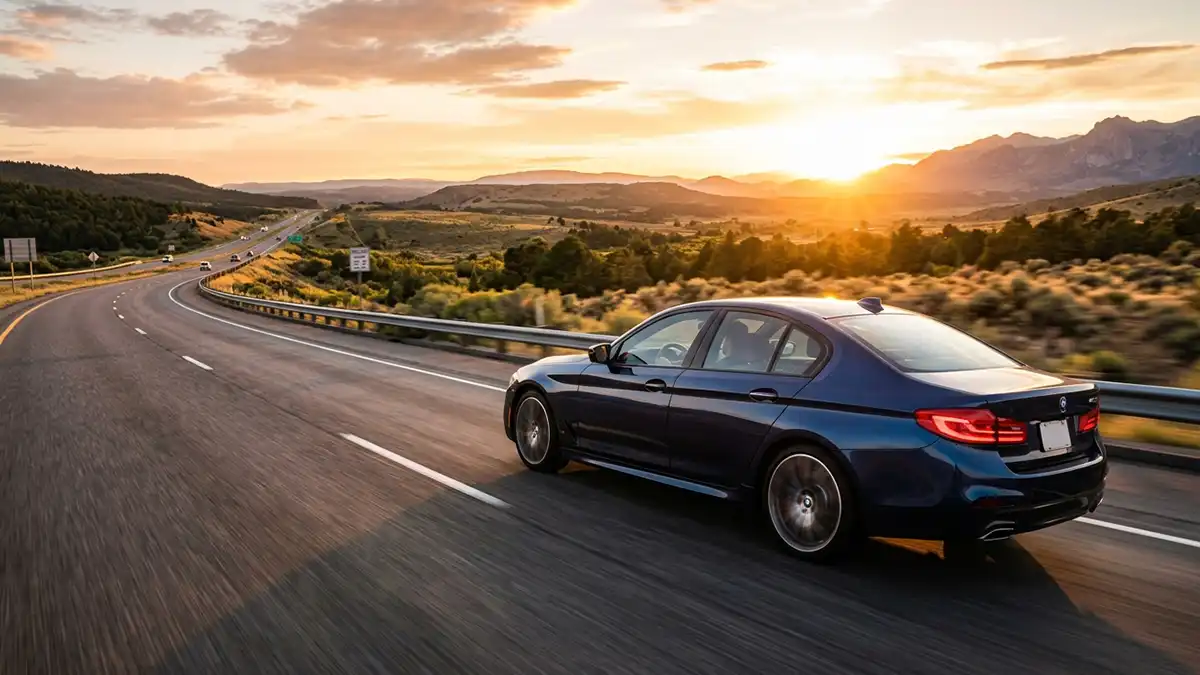
- Highway cruise. Accelerate smoothly to 55 to 60 mph and hold a steady speed for about ten minutes. This is where the catalyst and oxygen sensor monitors usually finish.
- Coast down. Ease off the gas and let the car slow to about 20 mph without hard braking, then pull over and idle for a couple of minutes.
- Shut it off. Turn the engine off. Some monitors only finalize their results after the ignition is cycled.
How long it takes
Most monitors set within one or two drive cycles. Two monitors are slower than the rest:
- The catalyst monitor usually needs a sustained highway cruise. That’s the reason short commutes never set it.
- The EVAP monitor is the pickiest of all. It often takes several cycles and wants the fuel tank between a quarter and three-quarters full with the gas cap tight. If you just fixed a fuel system leak, double-check that the cap clicks.
Here’s a rough timeline for each monitor. These are typical times, not promises — your exact model may behave differently:
| Monitor | What it needs | When it usually sets |
|---|---|---|
| Oxygen sensor and heater | Cold start plus steady 20–30 mph driving | First drive cycle |
| Catalyst | Steady 55–60 mph cruise | First or second cycle |
| Misfire | Stop-and-go plus steady cruise | First cycle |
| Fuel system | Warm-up and varied speeds | First cycle |
| Thermostat | A true cold start and warm-up | First cycle |
| EVAP | Multiple cycles, tank a quarter to three-quarters full, tight gas cap | Second or third cycle |
If you repaired a code like P0442 (a small EVAP leak) or P0456 (a very small one), plan on extra driving before the EVAP monitor reports ready.
What can still hold you back
If the monitors stay “not ready” after two or three honest drive cycles, check these things:
- The repair didn’t actually fix the fault. If a code comes back — for example P0420 means the catalyst monitor ran and the converter is still weak — no amount of driving will help.
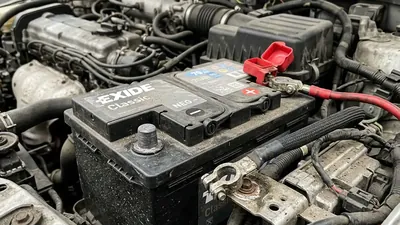
- The battery was recently disconnected or died. That wipes the monitors too. A battery swap right before a test almost guarantees a “not ready.”
- The car was never truly cold. Warm restarts skip the cold-start phase, and the thermostat monitor may never run.
- The fuel tank is full or nearly empty. The EVAP monitor often refuses to run outside its preferred fuel range.
- The battery is weak. Some monitors need stable voltage, and a struggling battery keeps them from running.
Which repairs need the most patience
Some repairs set their monitors quickly, and some take extra driving:
- Oxygen sensor swaps (P0135, P0141) — usually the fastest. The O2 monitors often set on the very first drive cycle.
- Catalytic converter replacement (P0420, P0430) — the catalyst monitor needs a solid highway cruise at a steady speed. One good ten-minute cruise usually does it, but if the monitor runs and fails, the converter itself may still be bad.
- Thermostat replacement (P0128) — needs a genuinely cold start so the computer can watch the engine warm up at the expected rate.
- EVAP repairs (P0442, P0455, P0456) — the slowest. Expect multiple cycles, and keep the tank between a quarter and three-quarters full with the gas cap tight the whole time.
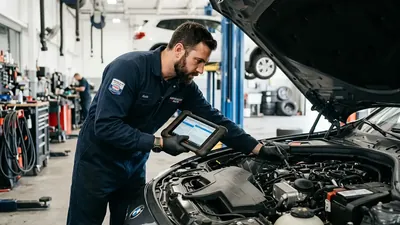
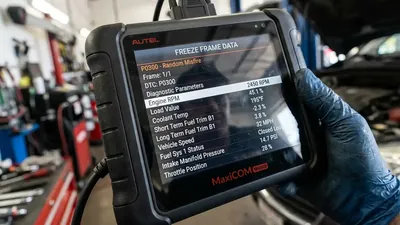
A code reader with a readiness screen lets you check your progress after each cycle, so you know exactly which monitors still need work instead of guessing.
The day of the test
The best strategy is simple: complete your drive cycle in the morning, then drive straight to the station without turning the car off. Many stations run the OBD check while the car is warm, and a warm engine is what the computer likes. Never clear codes in the parking lot — that resets the monitors and guarantees rejection.
When to see a professional
If you’ve done three honest drive cycles and a monitor is still “not ready” with no code stored, there may be a hidden fault the monitor depends on, like a slow oxygen sensor or a weak battery. A shop with a professional scanner can watch the monitors live and tell you exactly which condition is missing. The diagnostic fee is usually worth it.
Frequently asked questions
How long after a repair will my car pass emissions? Typically after one or two complete drive cycles of 20 to 30 minutes each. If monitors still won’t set, either the repair didn’t fix the fault or something else, like a weak battery or a fuel level issue, is interfering.
Can I pass emissions with one monitor not ready? Often yes. Most states allow one or two incomplete monitors, but the rules vary. Check with your local testing agency so you know exactly what your car needs before test day.
Do I really need to drive on the highway? For most cars, yes. The catalyst and oxygen sensor monitors need a sustained highway-speed cruise to complete. If your commute is all short trips, plan one dedicated drive-cycle trip before the test.