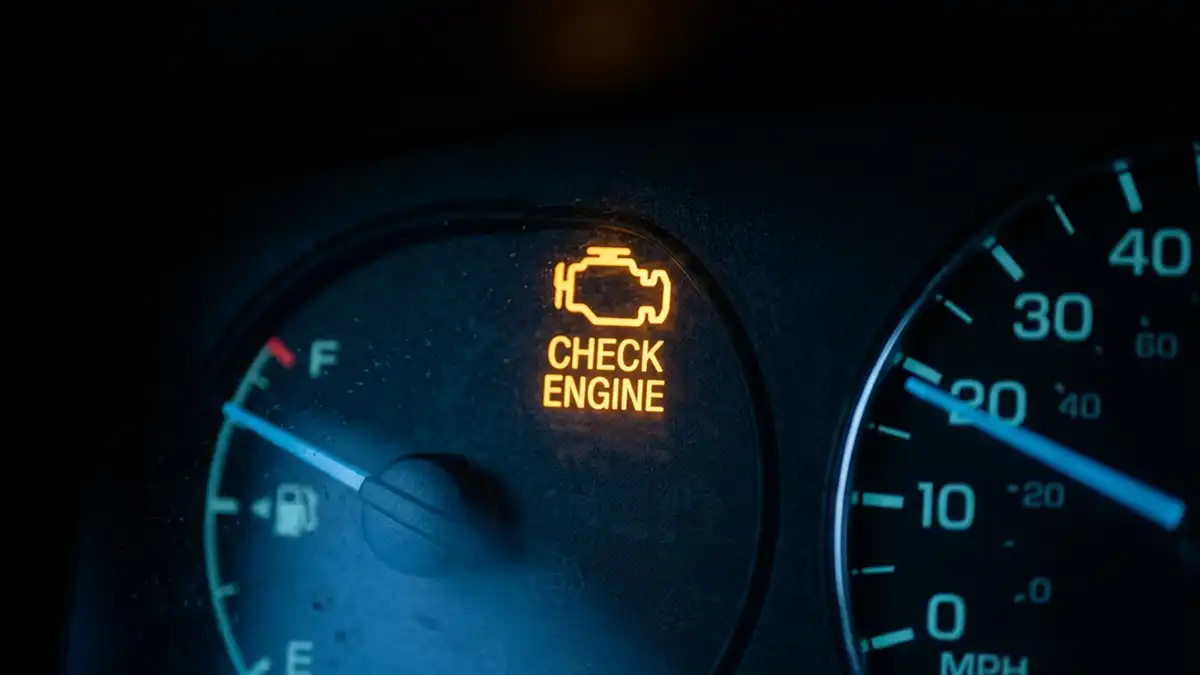
The short answer: yes, sometimes. A check engine light can turn itself off without you touching a scanner — but it only happens under specific conditions, and it doesn’t mean the problem is gone. This guide explains why the light clears itself, how long it takes, and when you should stop waiting and take action.
Why the light turns off on its own
Your car’s computer (the ECU) is not a one-strike-and-you’re-out system. When a sensor reads something out of range, the ECU doesn’t immediately light up the dash. Instead, it usually waits for the fault to happen under repeated test conditions — sometimes two or three times — before it turns the light on. That’s why a single rough start or a one-time misfire doesn’t always leave the light glowing.
The same logic works in reverse. If the fault stops happening, the ECU keeps testing the system on later drives. Once the system passes its test three consecutive times (the exact number varies by manufacturer), the ECU turns the light off on its own. The fault code usually stays stored in the computer’s memory as a history code, but the light goes dark.
This is how “intermittent” problems behave. A loose connection, a weak battery, a brief misfire, or a gas cap that wasn’t quite tight can trigger the light, then behave perfectly for days. Each clean test gives the system a chance to pass and clear the light.
How long it takes: drive cycles, not miles
Here’s the part that surprises most people: the light doesn’t reset on a mileage schedule, and it doesn’t just need “a few days.” It needs the car to complete drive cycles — and each test has specific conditions that must be met.
A typical drive cycle includes:
- A cold start (engine fully cooled down, usually sitting overnight or at least several hours)
- A warm-up period as the engine reaches operating temperature
- Steady highway cruising at moderate speed for several minutes
- Some deceleration and light acceleration to exercise different sensors
Depending on the car, the ECU may need anywhere from a handful of cycles to a couple of weeks of normal driving to complete all the tests. Short trips to the grocery store rarely count, because the engine never fully warms up and the car never reaches the speeds the tests require. If you want the light to clear itself, the fastest path is usually a mix of regular driving plus one or two longer highway runs.
Two different things: the light and the stored code
It’s important to separate the dashboard light from the stored code. When the light turns itself off, the code often stays in the ECU’s memory:
- History codes — the ECU remembers past faults for reference, even after the light goes out.
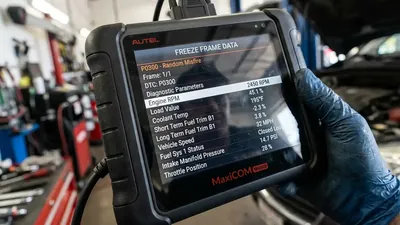
- Pending codes — faults that occurred once but haven’t repeated enough to turn the light on. Your scanner may show these as “pending” codes even with the light off.
- Permanent codes — newer cars store a permanent copy of certain emissions-related codes that can’t be erased by a scanner or a battery disconnect. Only a confirmed repair (the system passing its tests again) clears these.
So the light being off doesn’t mean your scanner will show nothing. If you plug in a reader and see a history or pending code, that’s normal — it’s the car’s way of keeping notes. It also means the light can come right back on if the same fault happens again.
Codes that often clear themselves
Some faults are genuinely self-correcting, and waiting it out is a reasonable strategy:
- Loose gas cap — the most famous example. A cap that wasn’t clicked tight causes an evaporative emissions leak and triggers codes like P0455 (large leak) or P0442 (small leak). Tighten the cap until it clicks, drive for a few days, and the light often clears itself.
- One-time misfires — a single misfire from moisture in the spark plug area or a brief fuel hiccup can log a P0300 code without repeating. If the misfire never happens again, the light may clear after the tests pass.
- Thermostat-related codes — a P0128 code (engine running cooler than expected) can appear in very cold weather or after a slow warm-up, then clear once conditions are normal.
In these cases, waiting a week of normal driving while watching the light is low-risk — as long as the car runs fine and the light isn’t flashing.
When it will NOT clear on its own
If the fault is caused by a worn-out part or a real failure, the light will keep coming back no matter how many drive cycles you complete. Common examples:
- Failing oxygen sensors — these age out and keep re-triggering codes like P0135 or P0141 until replaced.
- Catalytic converter problems — a converter that has lost efficiency will keep logging P0420 (or P0430 for the second bank) because the underlying hardware is degrading.
- Vacuum leaks and fuel mixture issues — a persistent air leak keeps the engine running lean and re-triggers codes like P0171 no matter how many times the system re-tests.
The telltale pattern: the light goes off after a few clean cycles, then comes back on within a week or two. That’s not bad luck — that’s a part that’s actually failing. The re-testing keeps confirming it. In that situation, waiting doesn’t help; only the repair does.
When you should NOT wait it out
There are two situations where “let it clear itself” is the wrong plan:
- The light is flashing. A flashing check engine light is a different warning: it means a misfire is happening right now, badly enough to send unburned fuel into the exhaust. That can overheat and destroy the catalytic converter, turning a minor repair into a $1,000+ one. A flashing light means slow down, get home or to a shop soon, and stop driving if it continues. Misfire codes like P0300 should be diagnosed promptly, not waited out.
- The car is running poorly. If the light is on and the car also runs rough, stalls, hesitates, or smells odd, don’t wait for self-clearing. Something is actively wrong, and driving on it can cause secondary damage.
Also be aware: waiting out the light can delay a needed repair. A small issue that would be cheap to fix now (like a worn sensor) can become expensive later if it’s left to damage other parts.
How to help the light clear faster
If you’ve decided to wait it out, you can speed things along:
- Fix the easy causes first — tighten the gas cap, make sure it’s the right cap for the car, and check that it clicks.
- Drive the car normally — include a mix of city and highway driving.
- Do at least one longer highway trip — 20 to 30 minutes at steady speed after a cold start covers the conditions most monitors need.
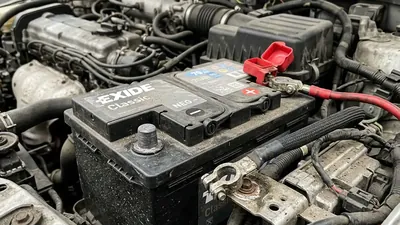
- Don’t disconnect the battery — that wipes the readiness monitors and the ECU’s learning, which actually makes the process take longer, not shorter.
- Keep an eye on it — if the light returns within a couple of weeks, stop waiting and get the code read.
What to do if it stays on
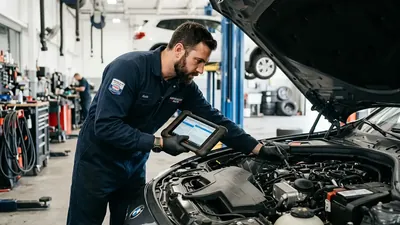
If the light has been on for a while and isn’t clearing, or it cleared and came back, the next step is the same in both cases: read the code. A basic code reader costs little and plugs into the port under the driver’s dashboard. The code tells you which system is complaining, and from there you can decide whether it’s a DIY fix, a parts-store diagnostic, or a shop visit. Waiting and hoping is rarely cheaper than knowing.
Frequently asked questions
How long does a check engine light take to reset itself? Usually a few days to a couple of weeks of normal driving, depending on the car and the fault. The light clears only after the car’s computer completes a set of drive cycles — cold starts, warm-ups, and steady highway driving — and sees the system pass its tests three consecutive times. Short trips don’t count toward those cycles.
Does a check engine light turn off on its own when the problem is fixed? Only if the car is actually driven afterward. If you fix the cause of a code, the light may go out by itself after several successful drive cycles — no scanner needed. In many newer cars, a scanner or a battery disconnect can’t even clear some emissions codes until the system confirms the repair by passing its tests.
Is it safe to drive with the check engine light on while waiting for it to reset? It depends. If the light is steady and the car runs normally, short-term driving is usually fine while you investigate. If the light is flashing, or the car runs rough, stalls, or overheats, stop driving and get it checked — a flashing light signals an active misfire that can damage the catalytic converter.